Your yard holds incredible potential waiting to be unlocked.
These budget-friendly landscaping yard landscaping ideas turn ordinary yards into stunning outdoor retreats without breaking the bank or requiring professional skills.
1) Mulch Border Around Trees
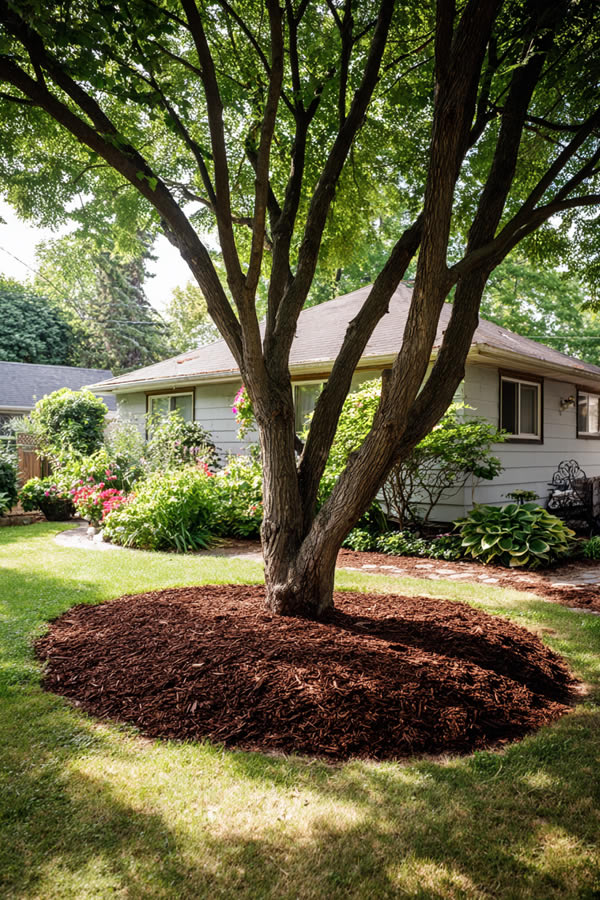
Tree rings feel like jewelry for your yard, creating instant polish around existing trees that makes the whole space look intentional.
I learned this trick after seeing bare dirt circles that screamed “amateur landscaping,” and now I can’t walk past an unmulched tree without cringing a little.
Mulch borders make trees pop like sculptural art pieces.
Dark mulch creates dramatic contrast against green grass, making your yard look professionally designed without hiring actual professionals.
The three-foot radius rule works perfectly for most mature trees in residential yards, giving roots breathing room while creating visual impact.
Rubber mulch lasts longer than wood chips, though I prefer the natural look of shredded bark because it breaks down and feeds the soil.
Edge the circle cleanly with a spade for crisp lines that neighbors will notice immediately – trust me, they’re watching!
2) Native Plant Groupings
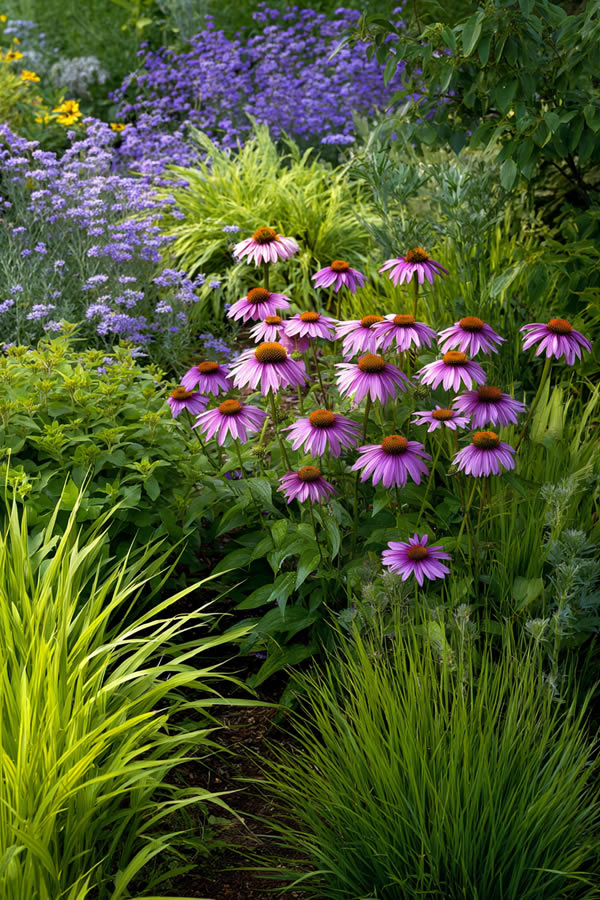
Native plants are like having a cheat code for yard success because they thrive naturally in your exact climate conditions.
My clients always look skeptical when I suggest natives over exotic imports, but then they suddenly become true believers!
Local plants need zero babying once established.
Group three to five of the same species for maximum visual impact in your yard – our brains love repetition with variation.
I was amazed to learn native plants can cut watering bills by seventy percent, which means more money for fun yard accessories like that fire pit you’ve been eyeing.
Research your zip code’s native options before shopping, saving money and future headaches from plants that hate your soil.
Plant in odd numbers because our brains find asymmetry more visually pleasing, and spring planting gives roots time to establish before summer heat stress hits your yard.
3) Stone Pathway Through Grass
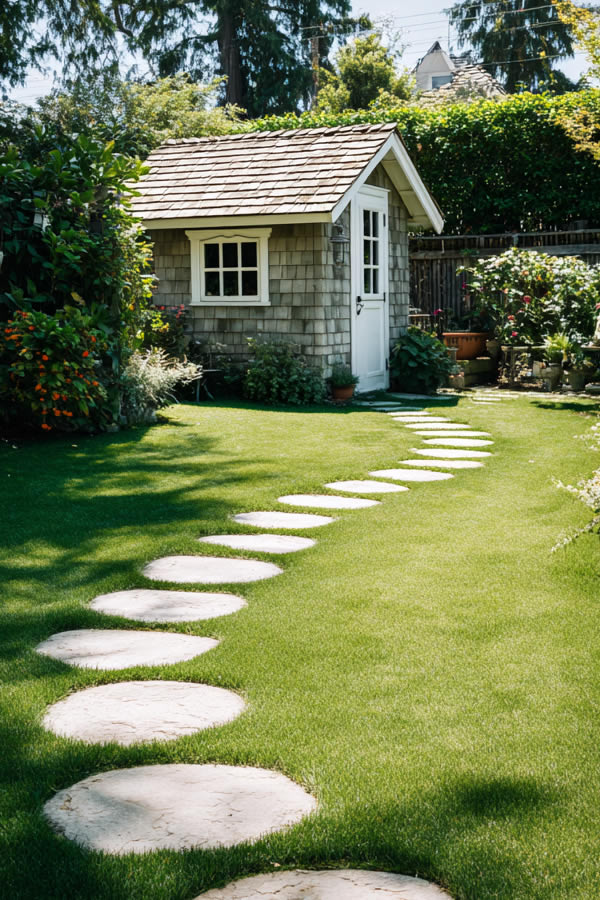
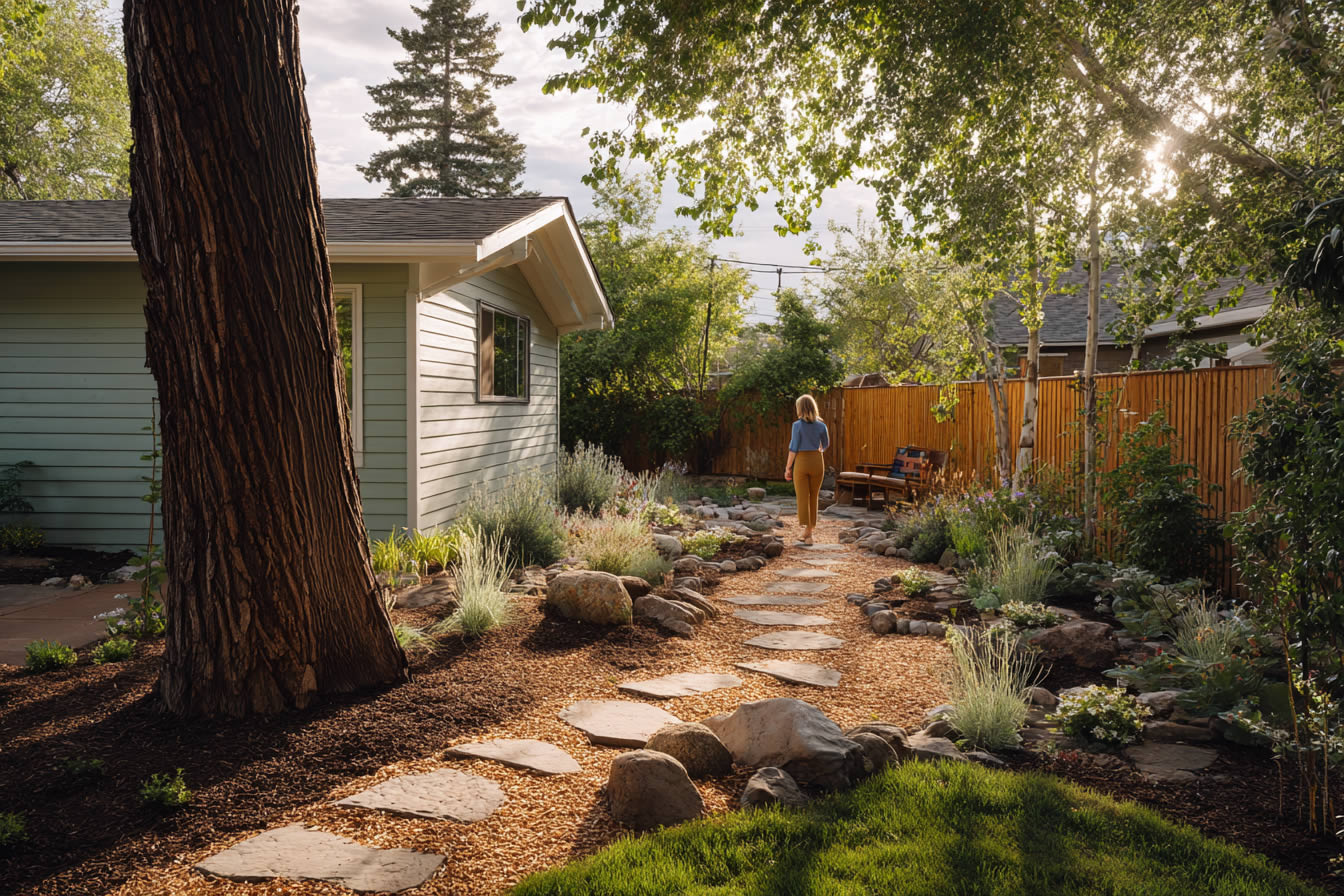
Stepping stones create magical pathways that guide visitors through your yard like breadcrumbs in a fairy tale.
Flat fieldstone costs half what flagstone does, delivering similar charm for budget-conscious yards while making you look like a landscape design genius.
Space stones eighteen inches apart for comfortable walking rhythm across your lawn.
I learned this the hard way after creating a hopscotch course by accident.
Irregular shapes look more natural than perfect circles.
I noticed how pathways make small yards feel larger by creating intentional movement patterns that draw the eye forward.
Partially bury stones so they sit flush with grass level for easy mowing, because nothing ruins the magic like clunking your mower blade.
Curved paths feel more organic than straight lines, mimicking nature’s flowing design and making your yard feel like a peaceful garden retreat.
4) Container Garden Clusters
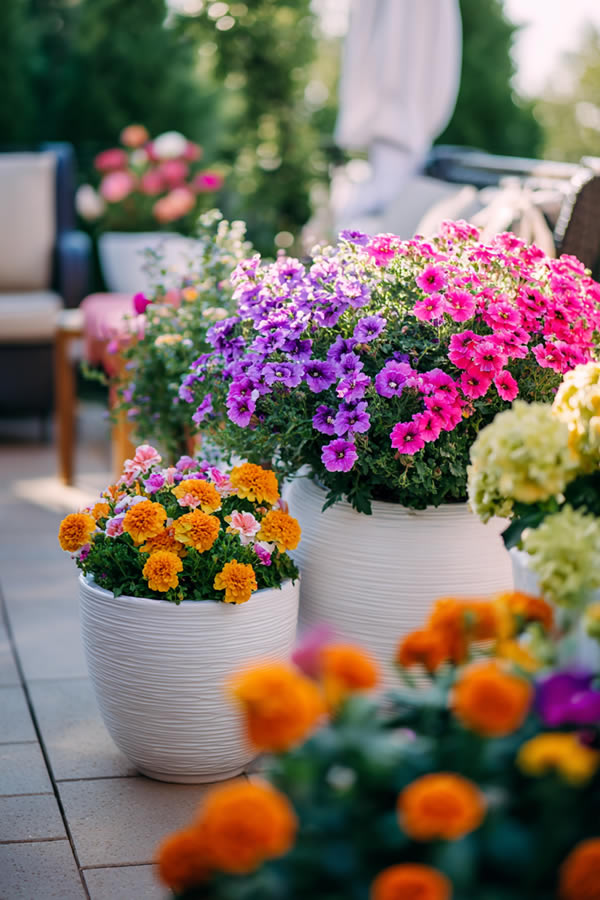
Oversized planters instantly elevate yard corners that previously felt forgotten and bare, turning dead space into stunning focal points.
Three large containers cost less than installing permanent flower beds.
Group pots in odd numbers with varying heights to create visual hierarchy that guides the eye naturally through your yard design.
Lightweight resin planters move easily when you want to refresh your yard layout for seasonal changes or just because you’re feeling restless.
I’ve seen how dark containers make colorful flowers absolutely glow against green backgrounds – it’s like putting a spotlight on your blooms.
Drainage holes are non-negotiable because waterlogged roots kill plants faster than drought, and nobody wants expensive plant funerals in their yard.
No matching required – mix textures and materials for collected-over-time charm that makes your yard feel curated rather than catalog-ordered.
5) Edging Along Walkways
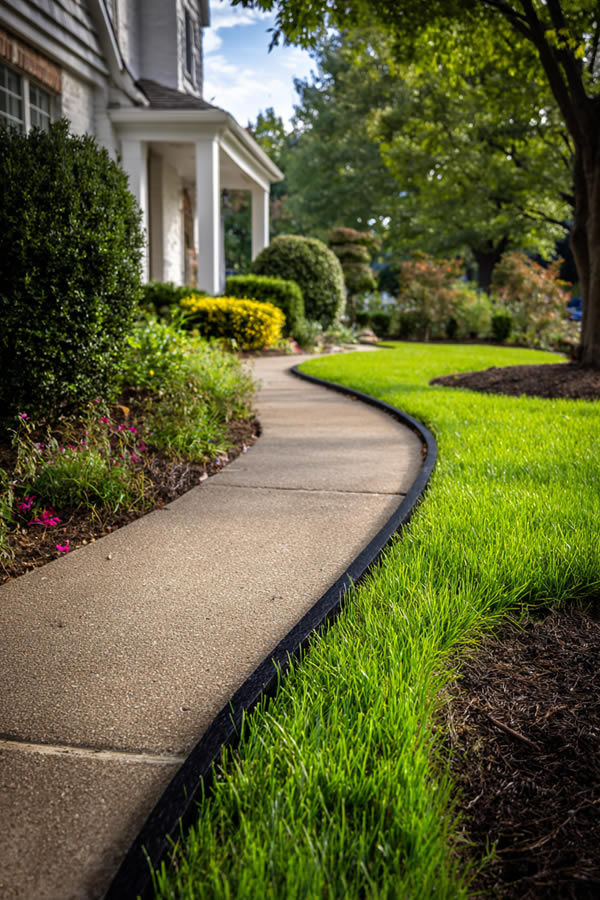
Clean edges transform messy yard boundaries into crisp, professional-looking lines instantly, like getting a fresh haircut for your landscape.
Plastic edging costs under twenty dollars and prevents grass from invading flower beds like an overly enthusiastic house guest.
Sharp edges make everything look intentional.
I learned that edging takes thirty minutes but makes your yard look like you hired landscapers – it’s the easiest way to fake professional design skills.
Metal edging lasts longer than plastic but costs twice as much upfront, so choose based on your patience for replacement projects.
Bury edging so only one inch shows above ground for subtle definition that doesn’t scream “look at my plastic border!”
Spring installation before grass grows aggressively saves hours of trimming later when you’d rather be enjoying your beautiful yard.
6) Raised Bed Along Fence Line
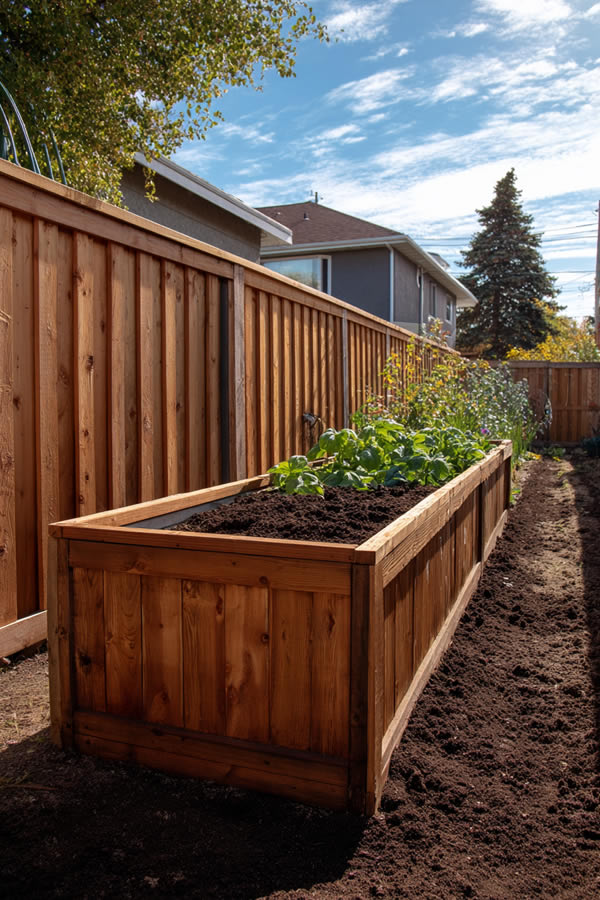
Fence lines often become dead zones where nothing thrives, but raised beds turn them into productive yard features that actually earn their keep.
Cedar boards resist rot naturally, making them perfect for DIY raised bed construction without requiring a chemistry degree in wood preservation.
Eighteen-inch height provides perfect planting depth without back strain.
Fill with quality soil because your yard’s existing dirt might drain poorly or contain more clay than actual nutrients.
I was surprised how raised beds make weeding almost enjoyable from the comfortable height – no more crawling around on your knees like you’re searching for lost contact lenses.
Three-foot width allows easy reach from both sides without stepping on soil and compacting all your hard work.
This trick works whether you’re growing vegetables for dinner or flowers for beauty in your yard space.
7) Gravel Accent Areas
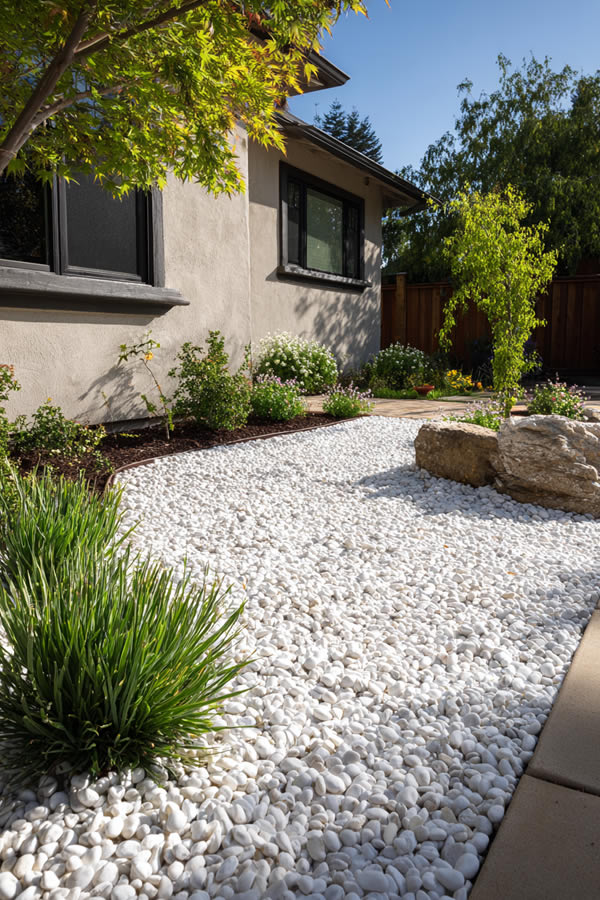
Gravel creates texture contrast that makes yard designs feel more sophisticated instantly, like adding a designer accessory to a simple outfit.
Decorative stone costs less than grass seed.
Pea gravel works beautifully around modern plantings, adding contemporary flair to traditional yards without requiring a complete landscape overhaul.
Landscape fabric underneath prevents weeds from sprouting through your gravel areas, because nobody wants to pick weeds out of tiny stones.
I love how gravel never needs watering, fertilizing, or mowing like traditional lawn areas – it’s the ultimate low-maintenance yard solution.
Two-inch depth provides adequate coverage without feeling overwhelming in residential yard settings or breaking your stone budget.
River rock costs more but creates upscale spa vibes that increase property appeal and make your yard feel like a luxury retreat.
8) Solar Lighting Along Borders
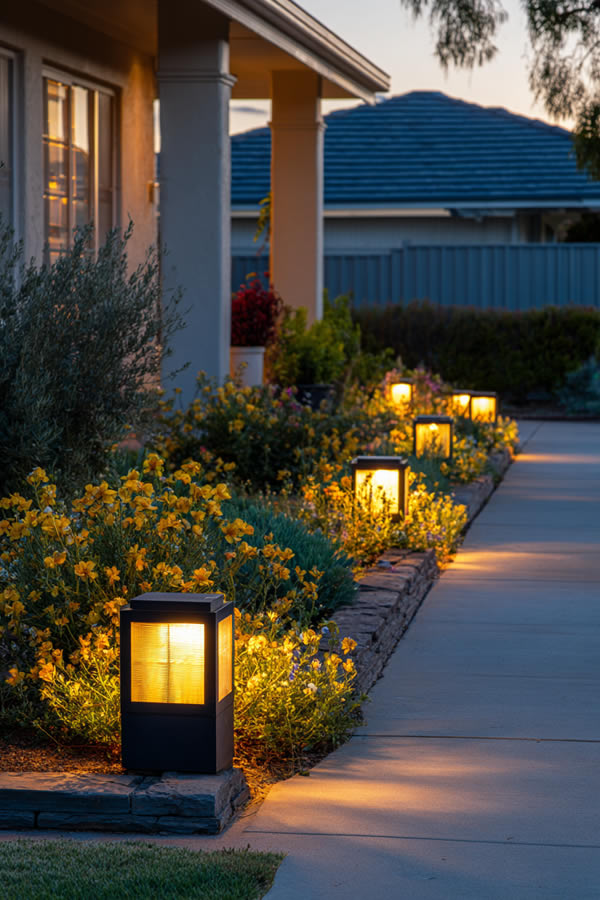
Solar path lights extend yard enjoyment hours without increasing electricity bills one cent, which means guilt-free evening ambiance.
Modern LED versions shine brighter and last longer than older solar lighting technology that barely glowed like dying fireflies.
Evening ambiance makes ordinary yards feel magical.
Space lights every six feet for even illumination without creating airport runway effects that blind your guests.
I discovered that warm white bulbs feel more welcoming than harsh cool white – your yard should feel cozy, not clinical.
No wiring required means installation takes minutes per light in any yard location you choose.
Quality fixtures withstand weather better than dollar store versions that break within months, leaving you with sad little plastic stumps dotting your landscape.
9) Ornamental Grass Clusters
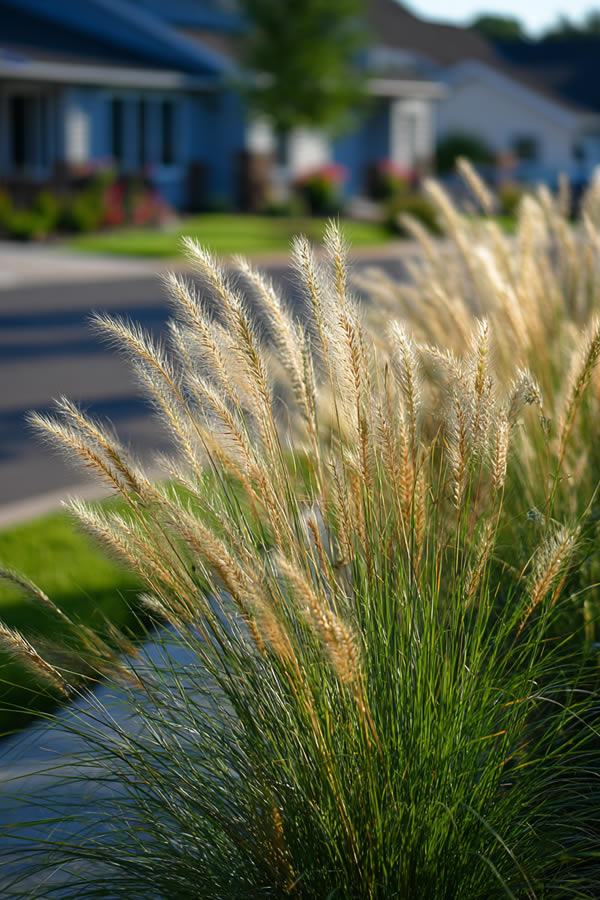
Ornamental grasses add movement and texture that makes yards feel alive and dynamic, swaying gracefully while your neighbors’ static shrubs just sit there looking bored.
Fountain grass sways beautifully in breezes, creating natural motion throughout your landscape that’s mesmerizing to watch.
Grasses look stunning year-round, even in winter.
Plant in spring for full-season establishment in your yard’s growing conditions – they need time to develop strong root systems.
I’m fascinated by how different grass varieties create layers without requiring complicated maintenance routines that eat up your weekends.
Feather reed grass grows tall enough to provide privacy screening along yard boundaries while looking elegant rather than fortress-like.
Cut back in early spring for fresh growth that emerges stronger each season, like giving your yard a fresh start annually.
10) Mulched Flower Bed Shapes
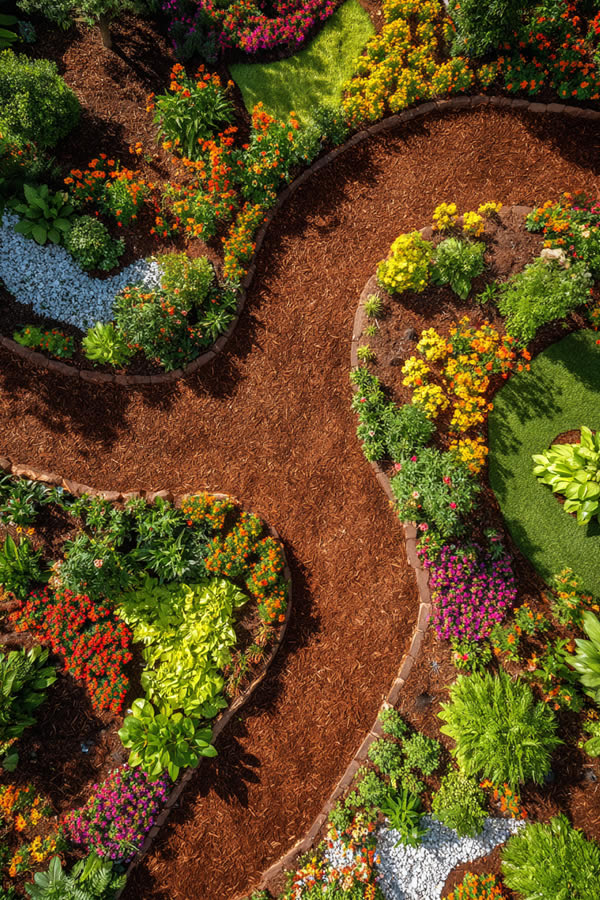
Curved flower bed edges feel more natural than rigid rectangles in residential yard settings, flowing like nature intended rather than looking like geometric homework assignments.
Organic shapes mimic nature’s flowing design patterns.
Mark curves with spray paint before digging to ensure smooth, pleasing lines that won’t make you cringe later.
I learned that kidney bean shapes work perfectly for corner yard areas, fitting naturally into spaces where square beds would look awkward and forced.
Remove grass completely or it will creep back into your beautiful flower beds like an unwelcome party crasher.
Three-inch mulch layer suppresses weeds while retaining soil moisture during dry spells, creating a win-win situation for your plants and your sanity.
Plant taller specimens toward the back, shorter ones in front for layered depth that makes your flower bed look professionally designed.
11) Rock Garden Corner
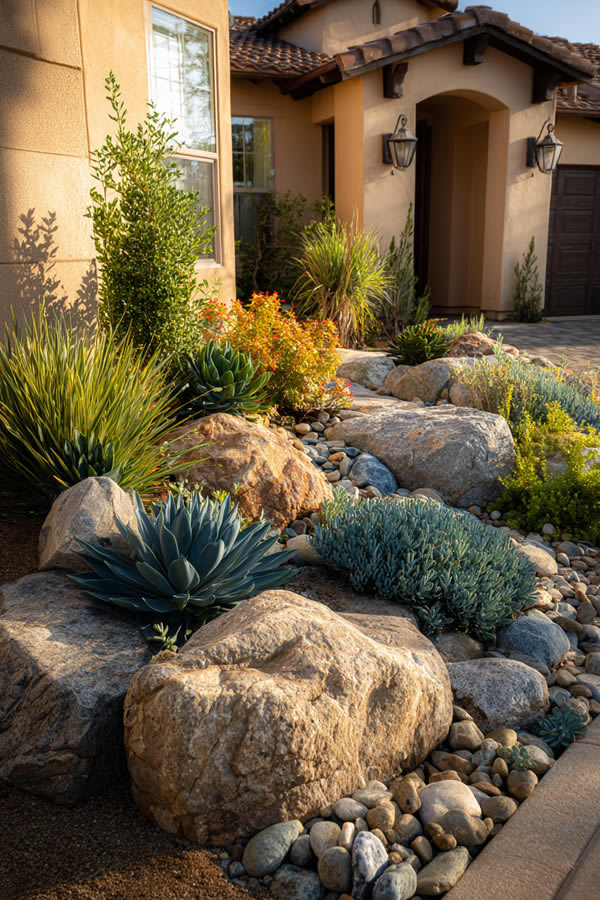
Problem corners transform into stunning focal points with strategic rock placement throughout your yard, turning eyesore areas into conversation starters.
Large boulders anchor the design while smaller stones fill gaps naturally between plants, creating a cohesive look that feels intentional.
Rock gardens thrive where grass struggles.
Succulents love rock garden conditions, requiring minimal water once established in yard environments and laughing at drought conditions.
I was amazed how rocks store heat during the day, releasing warmth at night to create a microclimate that extends your growing season.
Varying stone sizes creates visual interest without looking artificially arranged in your landscape – think natural boulder field, not parking lot gravel.
Good drainage is essential because most rock garden plants hate soggy soil conditions more than cats hate bath time.
12) Pergola Over Seating Area
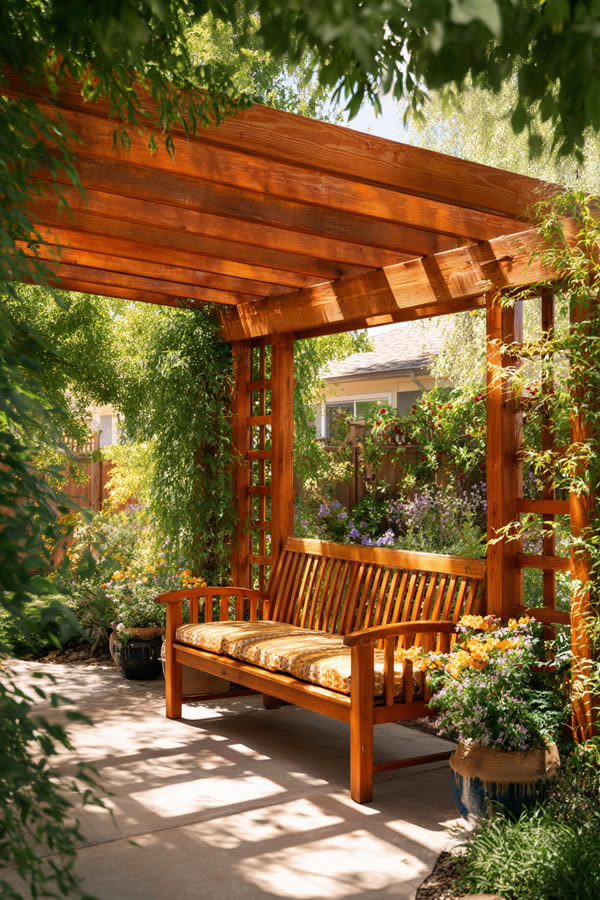
Simple pergolas create outdoor rooms that make yards feel larger and more purposeful, defining spaces without walls.
Vertical structure adds architectural interest to flat yard spaces.
Basic lumber construction costs less than hiring contractors for complex yard installations, and weekend warrior skills are totally sufficient.
I noticed how pergolas provide psychological comfort even without solid roofing overhead – something about having structure above makes spaces feel more intimate.
Climbing vines turn pergolas into living architecture within two growing seasons, creating natural shade and privacy.
Eight-foot height allows comfortable walking underneath while supporting plant growth above, giving you headroom and your plants climbing space.
This weekend project transforms unused yard areas into favorite gathering spots immediately, making your yard feel like an extension of your living room.
13) Colorful Annual Border
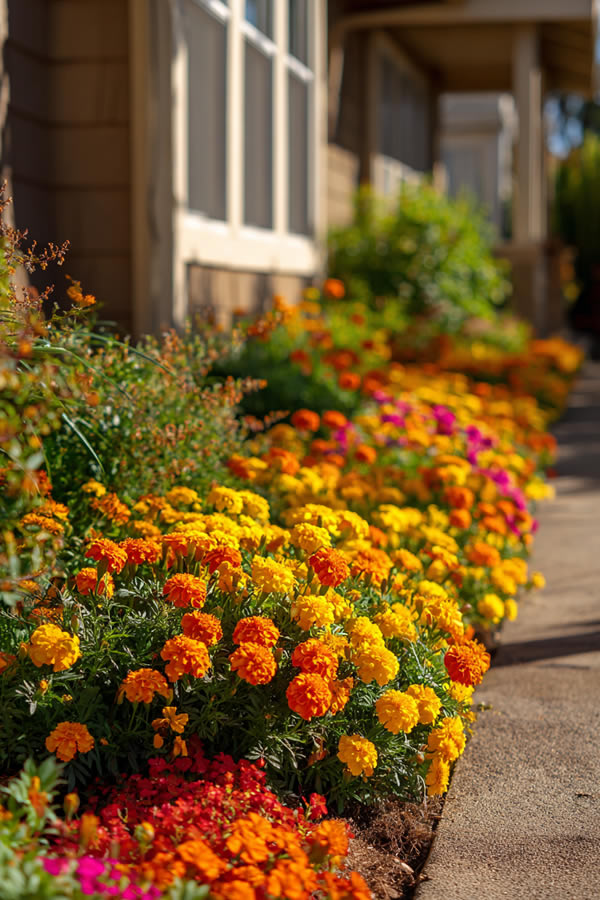
Annual flowers provide instant yard color that changes seasonally for year-round interest, like redecorating your outdoor space multiple times per year.
Marigolds and zinnias bloom continuously from spring until frost hits your area, giving maximum bang for your gardening buck.
Bright colors make small yards feel more vibrant.
Plant after last frost date for your region to avoid costly plant replacement – check your local extension office for exact dates.
I love how annuals let you experiment with colors without permanent yard commitments, so you can try bold combinations without long-term regret.
Mass plantings create more impact than scattered individual flowers throughout the space, like painting with broad brushstrokes rather than tiny dots.
Deadheading spent blooms encourages continuous flowering for months of yard beauty that keeps on giving.
14) Decorative Fence Panels
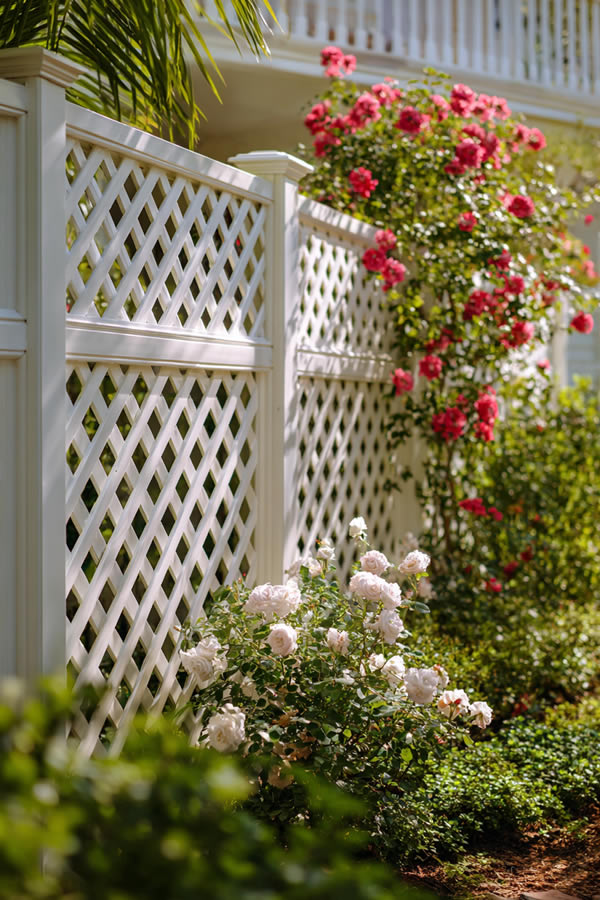
Lattice panels instantly upgrade plain yard fencing while providing climbing plant support, solving two design problems with one weekend project.
Vertical elements draw eyes upward, making yards feel larger.
Pre-made panels cost less than custom fencing and install in weekend timeframes without requiring advanced carpentry skills.
I discovered that white lattice brightens shady yard areas dramatically against dark backgrounds, reflecting light like a design mirror.
Climbing roses or clematis turn functional fencing into living art within growing seasons, creating beauty where there was once just boring boundary marking.
Secure panels properly because wind loads increase with decorative surface area additions – you don’t want your upgrades becoming projectiles.
Paint or stain panels to match existing yard features for cohesive design flow that looks intentional rather than random.
15) Water Feature Centerpiece
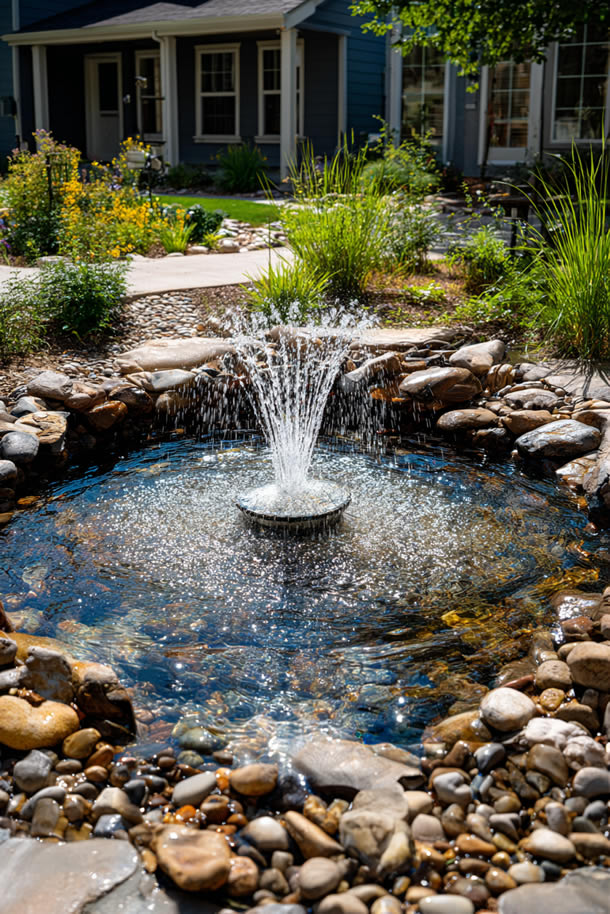
Small fountains create peaceful sounds that mask traffic noise in urban yard settings, turning your outdoor space into a tranquil retreat.
Solar-powered fountains eliminate electrical work while providing soothing water movement throughout daylight hours, making installation foolproof for DIY enthusiasts.
Water reflects light, making yards sparkle.
Position fountains where you’ll enjoy them most from indoor viewing areas too, why limit the pleasure to outdoor time only?
I was surprised how birds flock to water features, adding wildlife activity that makes your yard feel like a nature preserve.
Clean water weekly during peak season to prevent algae buildup in your feature, because green slime isn’t the aesthetic anyone’s going for.
Submersible pumps cost less to replace than complex fountain system repairs later, so choose simple over complicated for long-term happiness.
16) Herb Garden Near Kitchen
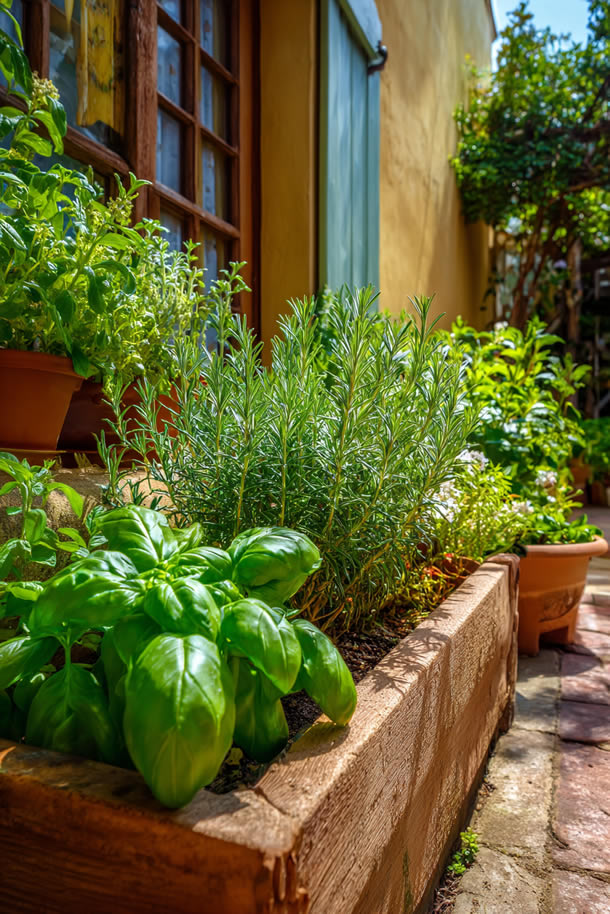
Kitchen herb gardens combine beauty with function in high-visibility yard areas, making practical plants look decorative while earning their keep.
Fresh herbs cost twenty times more at grocery stores.
Plant basil, rosemary, and thyme for cooking essentials that thrive in most yard conditions while providing aromatic pleasure.
Raised planters near back doors encourage daily harvesting for meal preparation, making fresh herbs a convenient reality rather than expensive grocery splurge.
I learned that herb scents create sensory pleasure every time you walk through – your yard becomes aromatherapy central.
Mediterranean herbs prefer well-draining soil that mimics their native growing environments, so don’t baby them with too much water.
Harvest regularly to encourage bushy growth and prevent plants from going to seed, keeping your herb garden productive all season long.
17) Shade Tree Understory
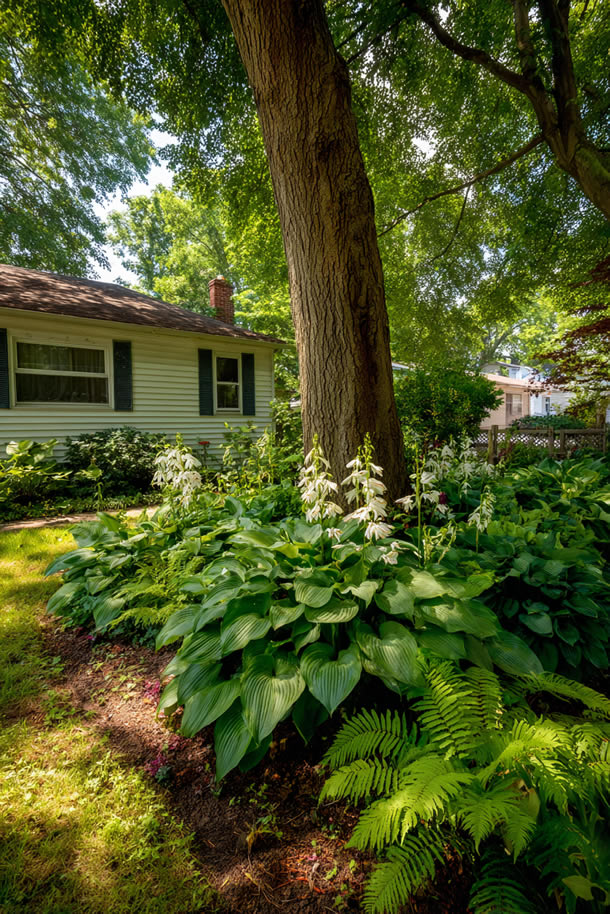
Struggling grass under trees gets replaced with shade-loving plants that actually thrive, turning problem areas into garden highlights.
Hostas and ferns create lush understory gardens in challenging yard locations where grass gives up and dies anyway.
Shade plants often have more interesting foliage than sun specimens.
I noticed how varied leaf textures add sophistication to simple yard designs, creating visual interest through form rather than just flower color.
Mulch heavily around shade plants to retain moisture in root competition zones where tree roots steal all the water.
Spring ephemeral flowers bloom before trees leaf out, extending seasonal yard interest into early months.
Work with nature instead of fighting it for easier yard maintenance long-term, your back and your schedule will thank you!
18) Vertical Garden Wall
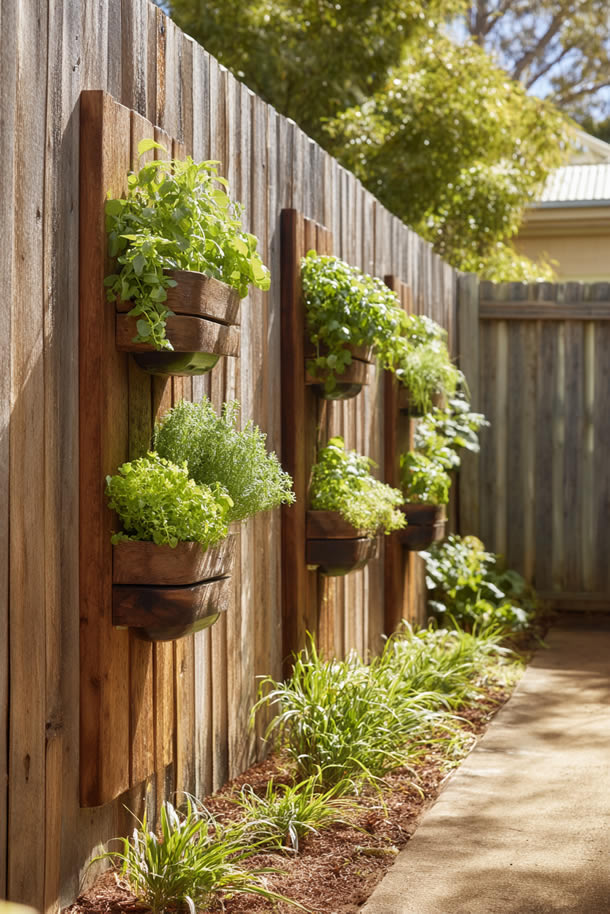
Wall-mounted planters maximize growing space in small yards without consuming ground area, turning vertical surfaces into productive garden real estate.
Vertical gardens create living artwork on blank fence surfaces.
Pocket planters install easily on existing structures throughout your outdoor space, requiring basic tools and weekend warrior enthusiasm.
I was amazed how vertical gardens make narrow yard areas feel lush and full, adding greenery where horizontal space is precious.
Drip irrigation systems keep wall gardens healthy without daily hand-watering requirements that turn gardening into a chore.
Choose plants with similar water needs for each vertical section in your design to avoid creating maintenance headaches.
Morning sun exposure works perfectly for most herbs and vegetables in wall gardens, giving them gentle light without scorching afternoon intensity.
19) Butterfly Garden Section
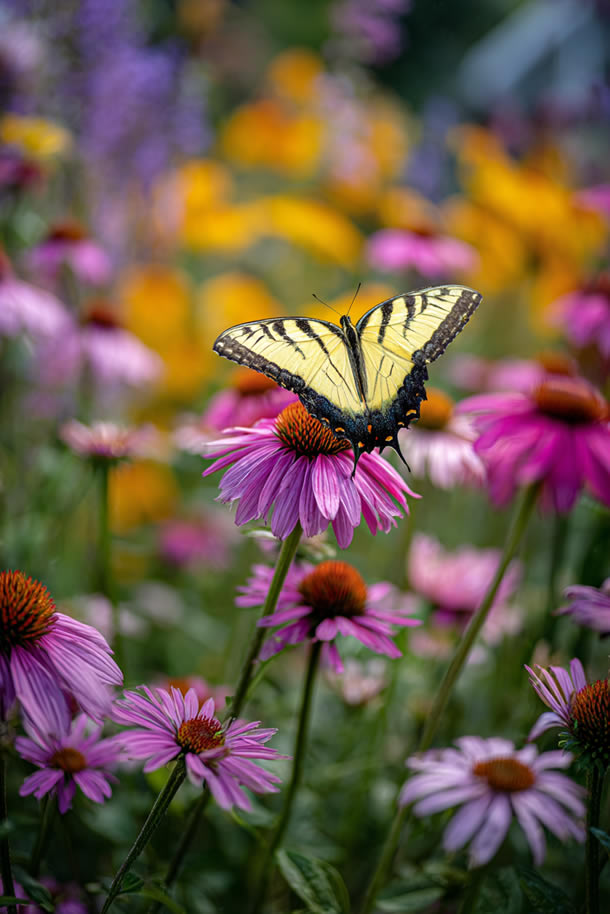
Butterfly-attracting plants bring movement and life to yard areas while supporting local ecosystems, making your landscape part of something bigger.
Native milkweed and coneflowers provide nectar sources that butterflies desperately need for survival in increasingly developed environments.
Wildlife gardens give yards deeper purpose.
Avoid pesticides completely because chemicals harm beneficial insects along with pests, it’s like poisoning the very creatures you’re trying to attract.
I love watching children discover butterfly gardens during yard gatherings and parties, their faces lighting up with pure wonder.
Plant diverse flower shapes to attract different butterfly species throughout the growing season, creating a buffet that serves all tastes.
Shallow water sources help butterflies stay hydrated during hot summer yard conditions, because even beautiful insects need drink breaks.
20) Outdoor Fire Ring
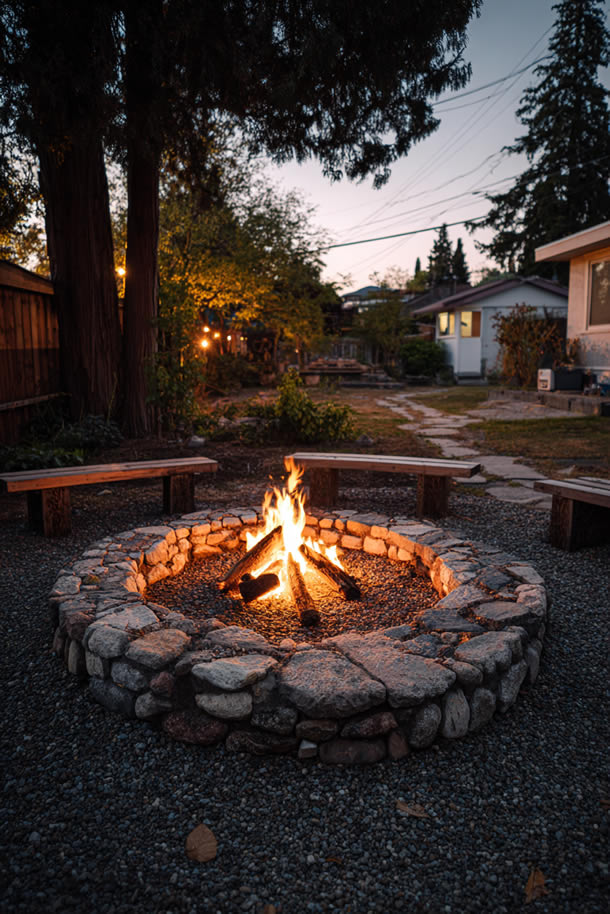
Simple fire rings extend yard usage into cooler months while creating gathering focal points that draw people together naturally.
Fire features make ordinary yards feel like vacation destinations.
Check local regulations before installation because some areas restrict open fires, and nobody wants surprise visits from the fire department.
Gravel base provides drainage and prevents grass burn underneath your fire feature, protecting your lawn investment.
I discovered that fire rings become natural conversation starters during yard entertaining, making even shy guests open up around the mesmerizing flames.
Position seating in complete circles around fires for inclusive gathering dynamics that make everyone feel included.
Keep garden hoses nearby for safety during any yard fire feature usage, better prepared than sorry when dealing with open flames!
21) Ornamental Tree Specimen
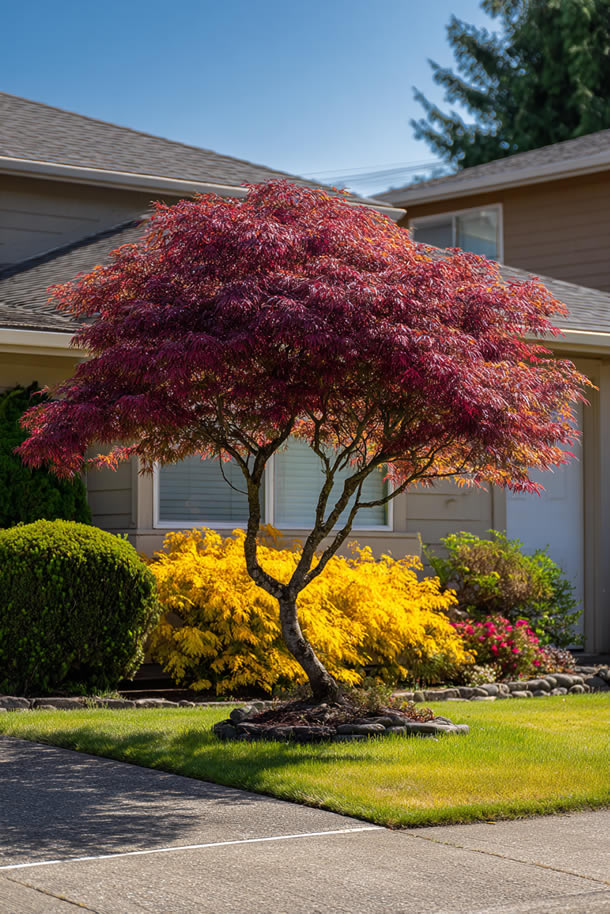
Single specimen trees create focal points that anchor entire yard design schemes, giving your landscape a star performer.
Japanese maples provide year-round interest with spring flowers, summer foliage, and fall colors that change like a slow-motion fireworks show.
One beautiful tree transforms the whole yard perspective.
Plant in fall for better root establishment before summer heat stress periods test their resilience.
I learned that slower-growing trees often live longer and require less maintenance, patience pays off in the tree world.
Consider mature size when planting to avoid utility line conflicts in your yard that create expensive problems later.
Mulch generously around new trees but keep mulch away from trunk bases to prevent moisture problems and pest issues.
22) Garden Arbor Entry
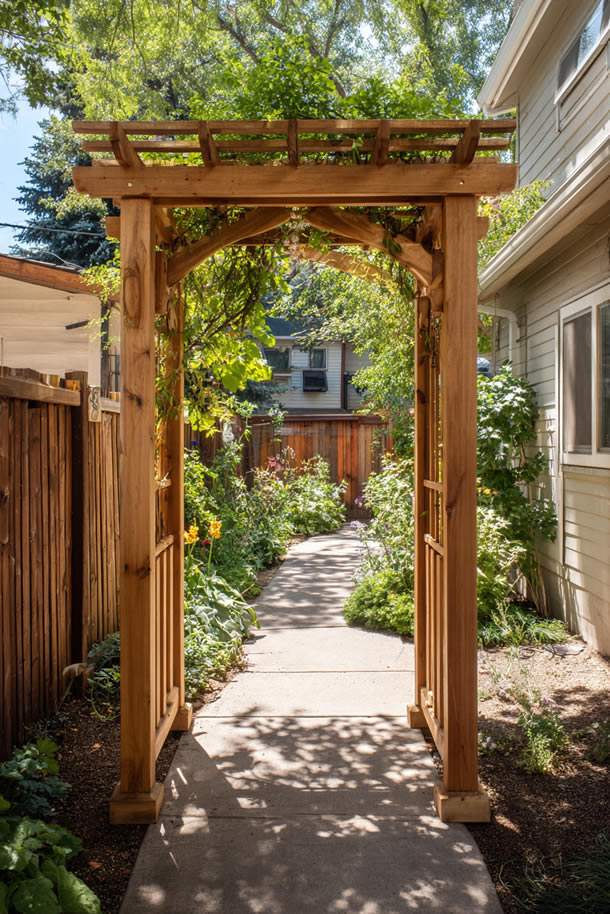
Arbors create ceremonial entrances that make yard transitions feel more intentional and welcoming, like doorways that announce “something special lives here.”
Doorways without doors still mark special spaces.
Simple wooden arbors cost less than elaborate metal versions while providing equal impact and charm.
I noticed how arbors frame views beyond, creating depth in yard compositions that makes spaces feel larger and more mysterious.
Climbing plants soften architectural lines within one or two growing seasons, turning structural elements into living features.
Standard eight-foot height accommodates most climbing plant varieties in residential yard settings while providing comfortable passage.
Position arbors to frame attractive yard views from multiple approaching angles, maximizing their visual impact throughout your landscape.
23) Seasonal Color Rotation
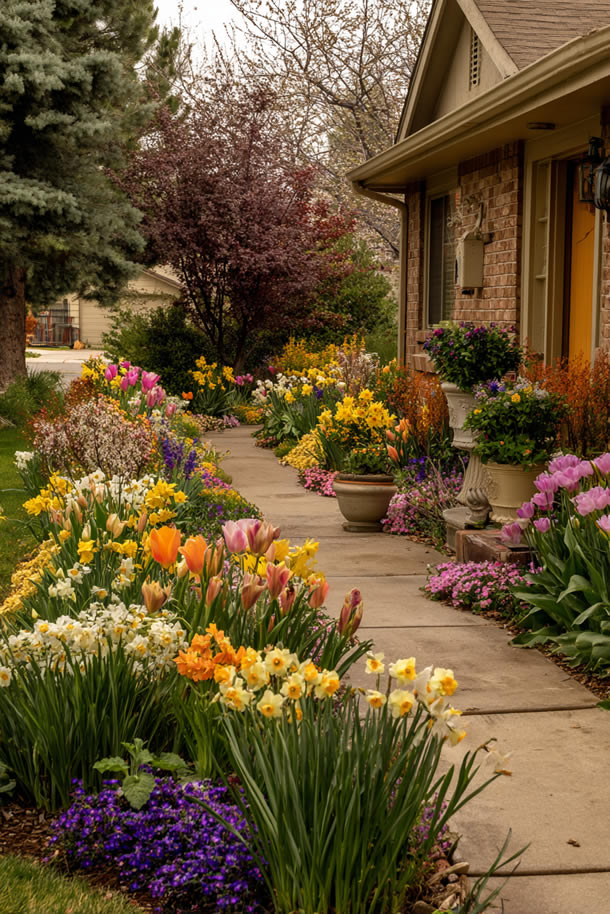
Planned seasonal plantings keep yards interesting throughout the entire growing year, preventing landscape boredom that makes you ignore your outdoor space.
Spring bulbs give way to summer annuals, then fall mums for continuous yard color that evolves naturally.
Rotating plants prevents yard boredom.
I love how anticipation builds for each season’s yard transformation and new displays, making gardening feel like unwrapping presents throughout the year.
Plant bulbs in fall for spring surprises that emerge automatically when weather warms, requiring zero effort for maximum reward.
Container gardens make seasonal swaps easier than replanting entire yard bed areas, giving you flexibility to experiment.
Keep backup plants ready for quick replacements when seasonal displays fade naturally, maintaining continuous beauty.
24) Rain Garden Depression
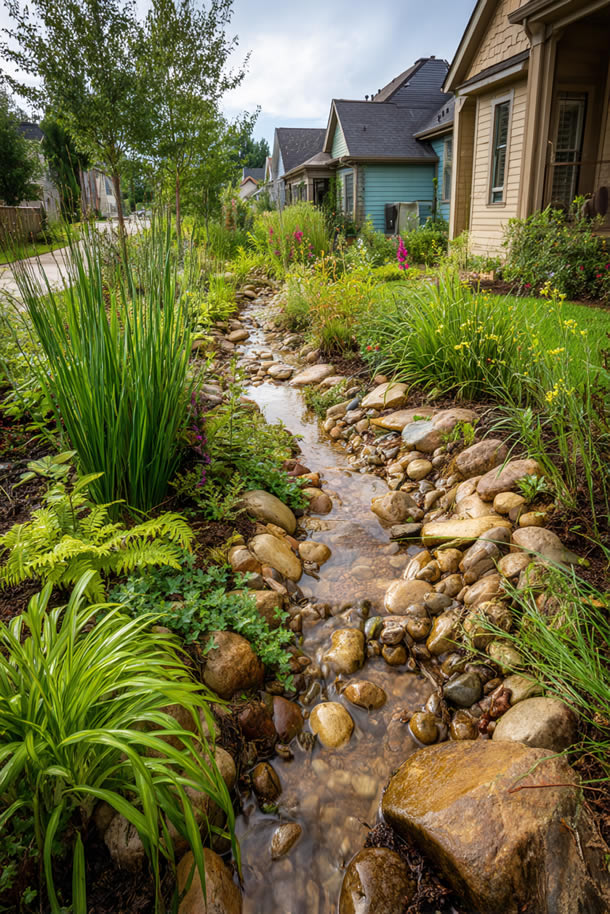
Rain gardens solve drainage problems while creating beautiful yard features that serve practical purposes, turning problems into solutions.
Problem areas become yard highlights with proper plant selection.
Dig shallow depressions where water naturally collects during storms in your landscape, working with existing drainage patterns.
Native plants adapted to wet conditions thrive in rain garden environments, requiring minimal care once established.
I was surprised how rain gardens reduce basement flooding while beautifying yards, solving two problems with one project.
Mulch pathways through rain gardens for maintenance access during growing seasons when plants are actively growing.
These gardens require minimal care once established in your yard’s natural drainage patterns, making them perfect for low-maintenance landscaping goals.
25) Outdoor Living Zone
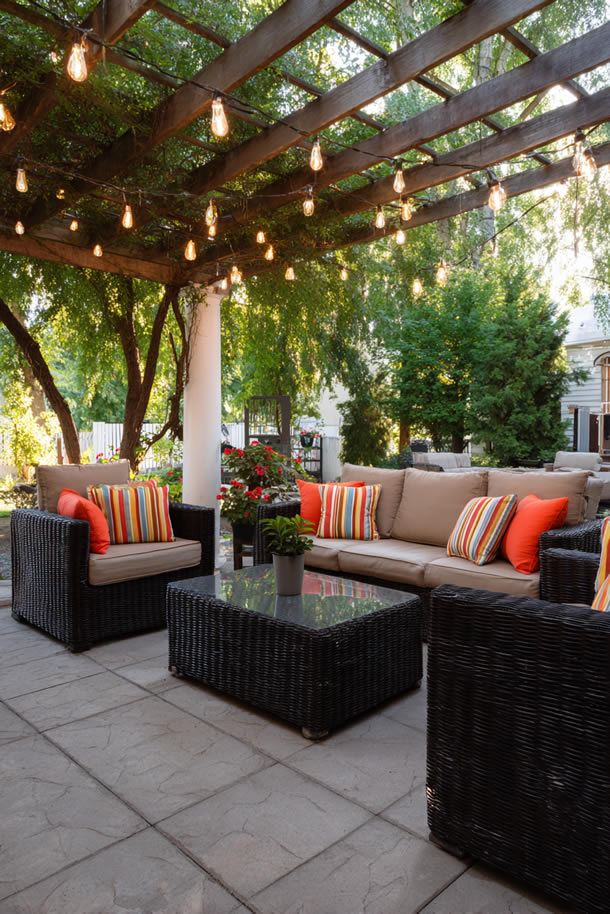
Defined outdoor rooms make yards feel like extensions of indoor living spaces, creating purposeful areas for relaxation and entertainment.
Furniture placement creates instant outdoor architecture.
Use outdoor rugs to define seating areas and add comfort underfoot in yard spaces, making hard surfaces feel more welcoming.
I learned that wind-resistant furniture stays put during storms better than lightweight options that become yard projectiles.
String lights overhead create intimate evening ambiance for yard entertaining and relaxation, turning ordinary spaces into magical gathering spots.
Weather-resistant cushions extend furniture life while adding color to neutral yard palettes, protecting your investment while adding style.
This concept works in any size yard by scaling furniture to fit available space, proving that great outdoor living isn’t about square footage.